

What is radiofrequency ablation?
Radiofrequency ablation (RFA) is a minimally invasive procedure that uses controlled heat generated by radio waves to interrupt nerve activity, reducing or eliminating pain. It is commonly used for managing chronic pain conditions and is known for its effectiveness and long-lasting relief.
How Does It Work?
The procedure involves placing a specialized needle near the affected nerve under imaging guidance. A small electrical current is passed through the needle, generating heat that disables the nerve’s ability to send pain signals.
RFA typically takes less than an hour and is performed on an outpatient basis, allowing patients to return home the same day.

Conditions Treated with RFA
RFA is commonly used to treat chronic pain conditions, including:
- Spinal Arthritis (Spondylosis): Pain arising from arthritis of the spine.
- Facet Joint Pain: Discomfort in the small joints located between each vertebra.
- Sacroiliac (SI) Joint Pain: Pain in the joints connecting the lower spine to the pelvis.
- Knee Pain from Osteoarthritis: Pain due to the degeneration of knee joint cartilage.
- Peripheral Nerve Pain: Pain affecting the peripheral nerves outside the brain and spinal cord.
- Headaches and Facial Pain: Including migraines and cervicogenic headaches.

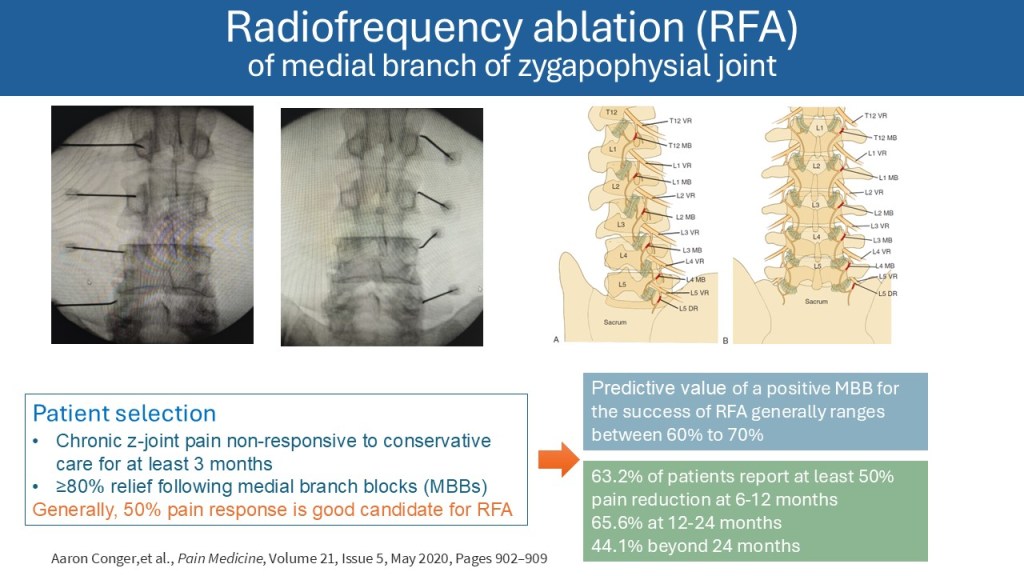

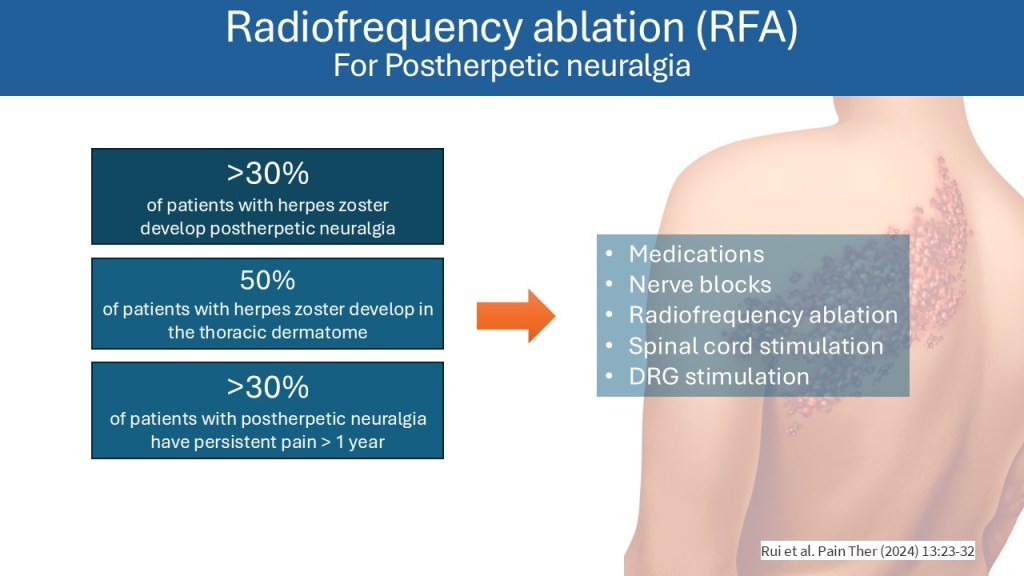

It’s important to note that RFA is typically considered when other treatments, such as medications or physical therapy, have not provided sufficient relief.
Types of RFA
- Conventional RFA: Delivers continuous heat, effectively destroying the targeted nerve. It is suitable for cases where permanent nerve interruption is required, such as severe joint pain.
- Pulsed RFA: Uses intermittent energy to heat the nerve to a lower temperature. This method reduces pain while preserving nerve function, making it ideal for conditions like trigeminal neuralgia or cases requiring nerve preservation.

Procedure Overview
- Preparation: The patient is positioned comfortably on the procedure table, and the skin over the treatment area is cleaned and numbed with a local anesthetic to minimize discomfort.
- Needle Placement: Using imaging guidance, such as fluoroscopy or ultrasound, the physician carefully inserts a specialized needle near the target nerve.
- Stimulation: A mild electrical current is applied through the needle to confirm its precise location near the affected nerve.
- Ablation: Once the position is verified, the tip of the needle is heated to create a small lesion on the nerve tissue, disrupting its ability to transmit pain signals.
- Steroid Injection (Optional): In some cases, a corticosteroid may be injected to reduce inflammation and provide additional pain relief after ablation.
- Completion: The needle is removed, and the patient is observed briefly to monitor for any immediate complications before being discharged.
The procedure typically lasts 15 minutes to an hour, depending on the number of nerves being treated and whether steroid injections are included.
Are There Risks?
RFA is generally safe, but like any medical procedure, it has potential risks, including:
- Temporary soreness or bruising at the site.
- Rare instances of nerve irritation or damage.
- Infection at the injection site.
- Allergic reaction to medication or anesthesia.
- Numbness or weakness in the treated area.
Aftercare and Recovery
After the procedure, mild discomfort may occur, but most patients notice significant improvement in pain within a few weeks. Normal activities can usually be resumed in a few days, and follow-up appointments may be scheduled to monitor progress.
Is RFA Right for You?
RFA is a minimally invasive option for individuals who have not found relief from conservative treatments. If you’re experiencing persistent pain and considering RFA, consult us to determine whether it is a suitable choice for you.
Disclaimer
This fact sheet is for informational purposes only and is not intended as a substitute for professional medical advice, diagnosis, or treatment. Always seek the advice of your physician or other qualified healthcare provider with any questions you may have regarding a medical condition or treatment options.
The information provided here reflects general practices and may not apply to your individual health circumstances. Outcomes and risks may vary depending on your medical history, condition, and response to treatment.
If you experience any concerning symptoms or side effects following a procedure, contact your healthcare provider immediately or seek emergency medical attention.
This material is not intended to promote or endorse any specific treatment or procedure. Decisions about your healthcare should always be made in consultation with your physician, considering your unique health needs and goals.
 Ekkapot Jitpun, MD
Leave a comment