
Peripheral nerve injuries can have a significant impact on your daily life, causing pain, numbness, weakness, or even loss of function of the affected nerve.
These injuries occur when nerves outside the brain and spinal cord (the peripheral nervous system) are damaged, which can happen due to trauma, compression, iatrogenic, or certain medical conditions.
Symptoms to Watch For
The symptoms of peripheral nerve injury depend on the location and severity of the damage. Common signs include:
- Pain: Ranging from sharp or burning to dull or aching.
- Numbness/ tingling: A loss of sensation in the affected area, also might experience a “pins and needles” sensation.
- Weakness: Difficulty moving the affected part of the body.
If untreated, these symptoms can lead to permanent damage, making early diagnosis and timely treatment crucial.
Diagnosis of Peripheral Nerve Injuries
Accurate diagnosis often involves:
- Physical Examination: Testing muscle strength, reflexes, and sensory function.
- Electrodiagnostic Tests: Such as electromyography (EMG) and nerve conduction studies to assess nerve function.
- Imaging: MRI or ultrasound to visualize nerve damage and rule out other causes.
Treatment Options
Treatment depends on the type and extent of the nerve injury:
- Non-Surgical Approaches: Rest, physical therapy, medications for pain relief, and splints or braces to support healing.
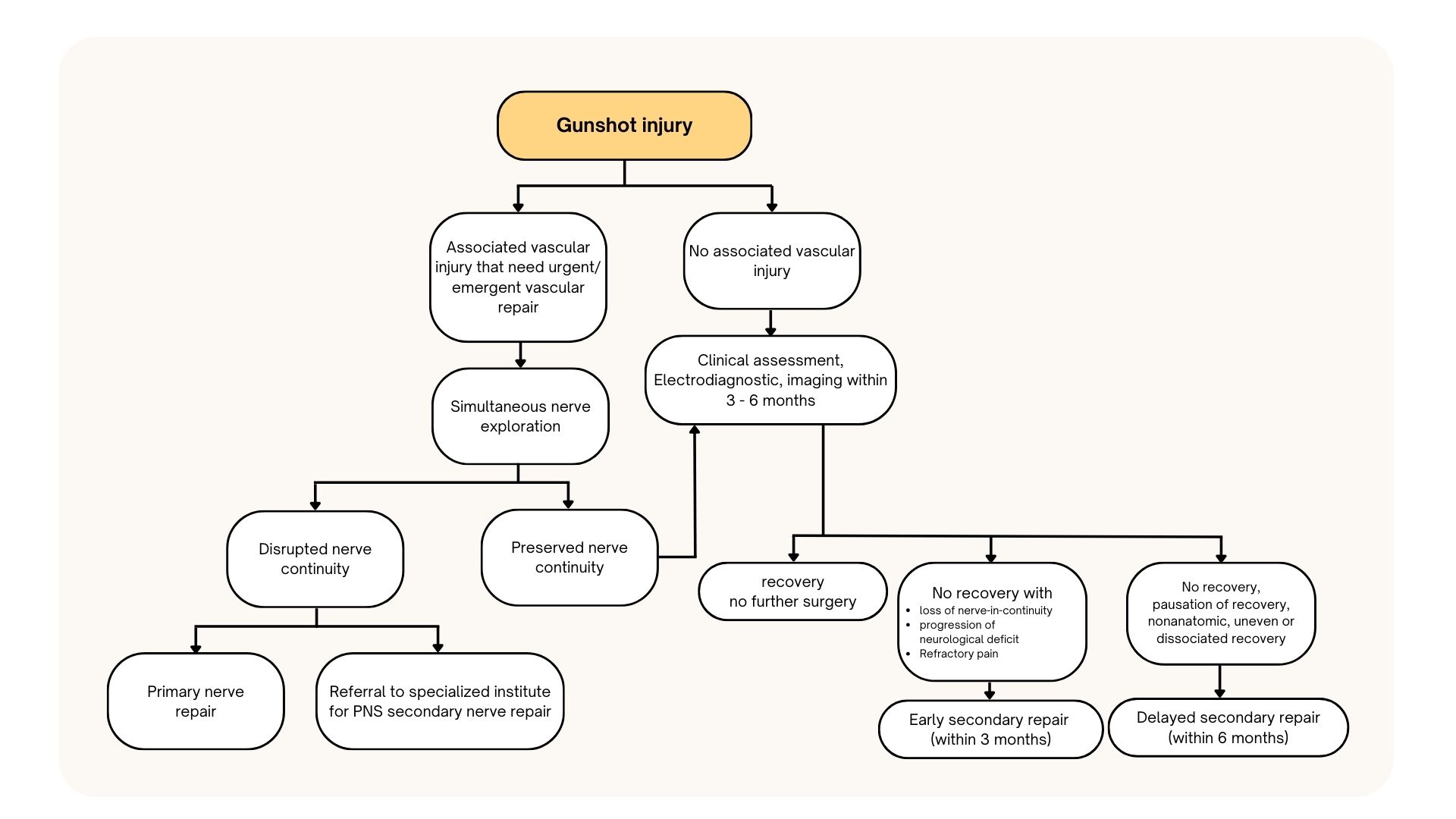
- Surgical Intervention: May be necessary for severe injuries, including nerve repair, grafting, or nerve transfer procedures.
- Pain Management: Techniques like nerve blocks or radiofrequency ablation can provide relief while the nerve heals.
Recovery and Outlook
Recovery from peripheral nerve injury can vary greatly, depending on the extent of damage and the timeliness of treatment. While minor injuries may heal on their own over weeks or months, severe cases may require surgery and a longer rehabilitation process.

When to Seek Help
If you’re experiencing persistent pain, numbness, or weakness, it’s important to consult a specialist. Early intervention can prevent complications and improve outcomes.
Contact Us
If you have concerns about a peripheral nerve injury or would like to explore treatment options, feel free to reach out.
Watch my talk about Brachial Plexus injury on Youtube!
Read more on nerve injuries


Disclaimer
This fact sheet is for informational purposes only and is not intended as a substitute for professional medical advice, diagnosis, or treatment. Always seek the advice of your physician or other qualified healthcare provider with any questions you may have regarding a medical condition or treatment options.
The information provided here reflects general practices and may not apply to your individual health circumstances. Outcomes and risks may vary depending on your medical history, condition, and response to treatment.
If you experience any concerning symptoms or side effects following a procedure, contact your healthcare provider immediately or seek emergency medical attention.
This material is not intended to promote or endorse any specific treatment or procedure. Decisions about your healthcare should always be made in consultation with your physician, considering your unique health needs and goals.
 Ekkapot Jitpun, MD