

What Are Peripheral Nerve Blocks?
Peripheral nerve blocks are minimally invasive procedures that involve injecting local anesthetics near specific nerves in the head and neck to diagnose and relieve headaches. For therapeutic purposes, they have been used for decades to treat various headache disorders, including:
- Migraine
- Cluster headache
- Cervicogenic headache
- Occipital neuralgia
- Post-dural puncture headache
How Do Nerve Blocks Work?
Nerve blocks temporarily numb the targeted nerve and may help “reset” pain pathways, providing relief that lasts from days to weeks. The exact mechanism is not fully understood, but studies suggest that blocking these nerves can reduce pain signals traveling to the brain.
Commonly Treated Nerves
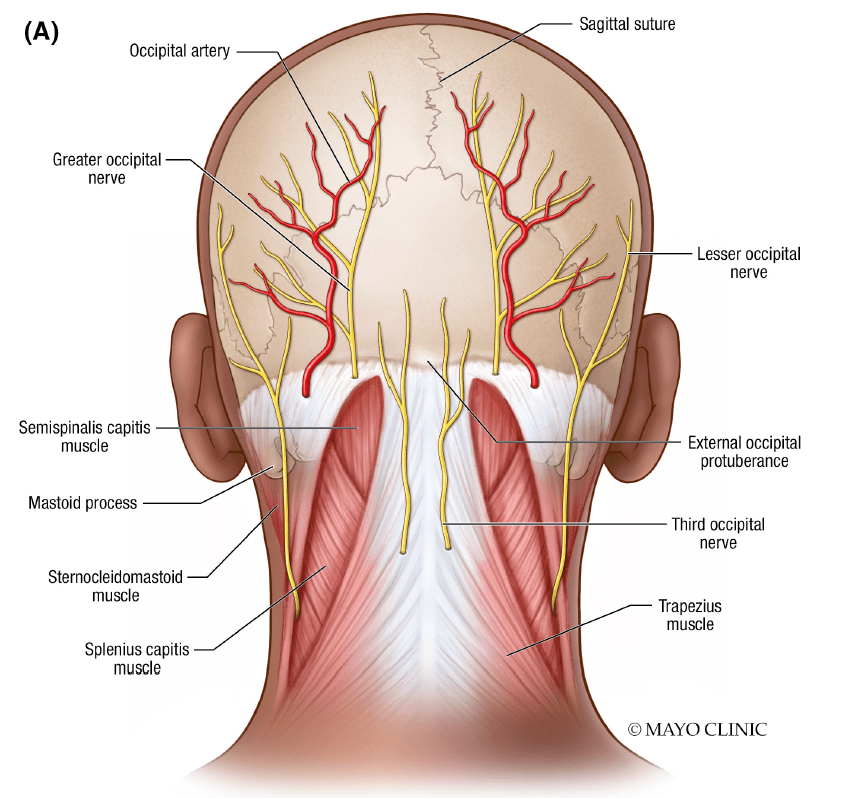
- Greater Occipital Nerve (GON): Most common target for migraine and cervicogenic headache relief.
- Lesser Occipital Nerve (LON): Often treated along with the GON for broader pain relief.
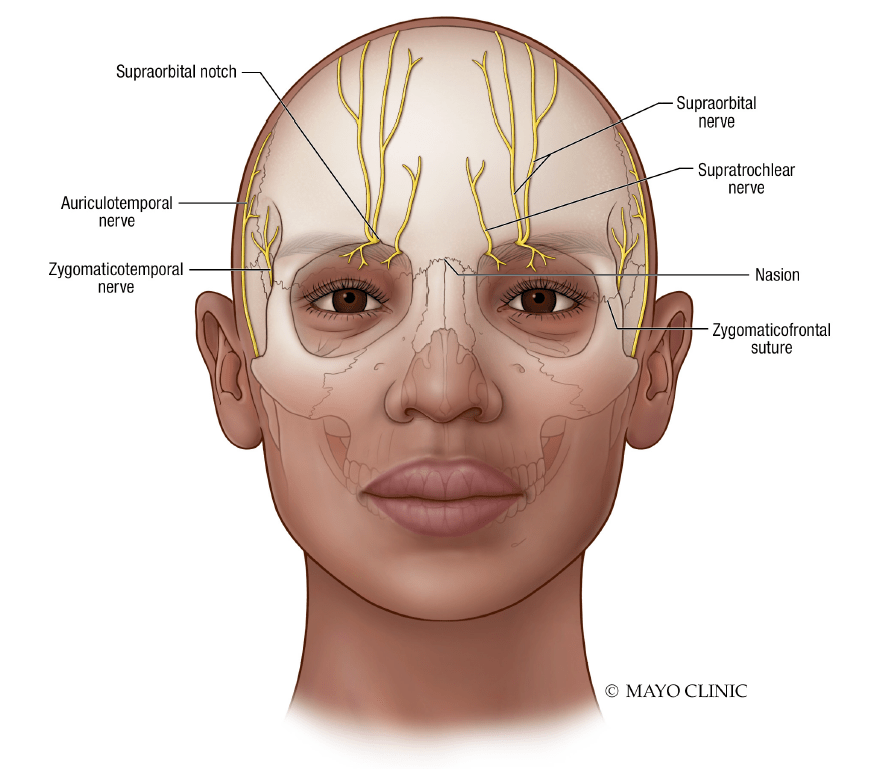
- Supraorbital (SON) & supratrochlear (STN) Nerves: Located near the eyebrow, used for frontal headache relief.
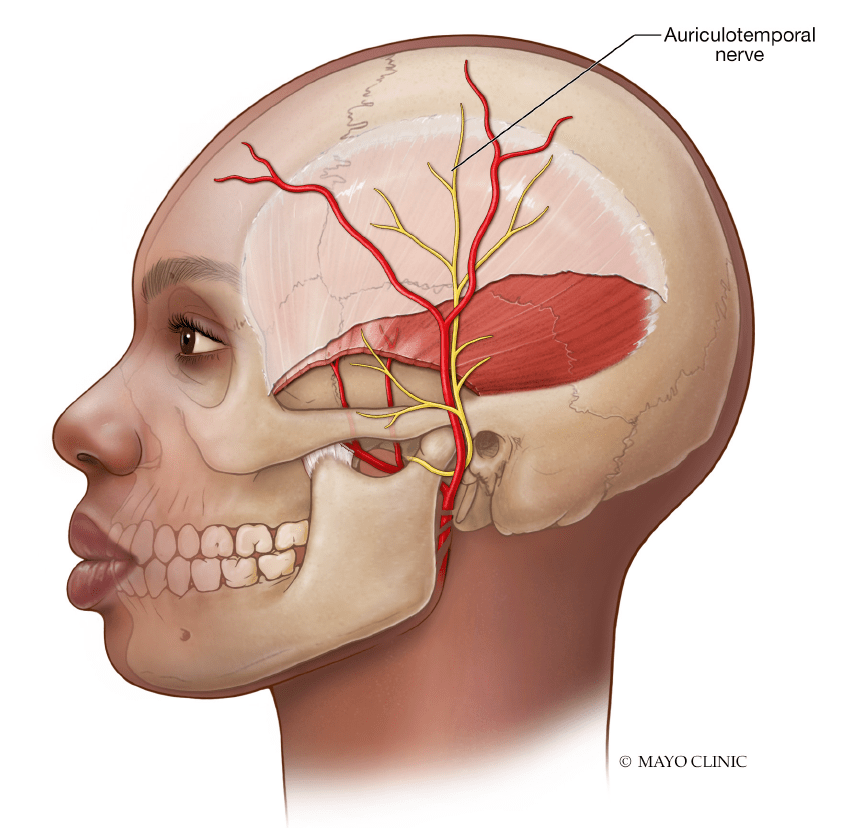
- Auriculotemporal Nerve (ATN): Located near the temple, used for headaches involving the TMJ and ear region.
- Zygomaticotemporal nerve: located at the anterior part of the temple, used for frontal and temporal headache
Who Can Benefit?
Nerve blocks may be an option for patients who:
✔ Have frequent or severe headaches that do not respond to medication.
✔ Experience prolonged migraine aura or status migrainosus (severe migraine lasting more than 72 hours).
✔ The location of trigger points and radiation of headache are consistent with the nerve pathway.
✔ Prefer a non-surgical, non-medication-based approach to pain relief.
Procedure Overview
- Performed in a clinic setting.
- Uses a small needle to inject anesthetic, sometimes combined with corticosteroids, or maybe botulinum toxin (Botox)
- Takes only a few minutes, with minimal discomfort.
- Relief can be felt within minutes to hours and may last days to weeks.
Risks & Side Effects
While nerve blocks are generally safe, possible side effects include:
⚠ Temporary numbness or weakness in the treated area
⚠ Mild dizziness or headache flare-ups
⚠ Local swelling or tenderness
⚠ Rarely, infection or nerve damage
What to Expect After the Procedure
- Immediate relief is common, but full effects may take a few hours.
- If effective, some patients require repeat treatments or further nerve interventions, e.g. RFA ablation, surgical decompression, for long-term benefit.
Conclusion
Peripheral nerve blocks offer a safe and effective option for diagnosis and managing various headache types. If you suffer from chronic headaches and have not found relief with medications, talk to your doctor to see if nerve blocks are right for you.
📞 Schedule a Consultation
Interested in learning more? Contact us to discuss your treatment options.
Disclaimer
This fact sheet is for informational purposes only and is not intended as a substitute for professional medical advice, diagnosis, or treatment. Always seek the advice of your physician or other qualified healthcare provider with any questions you may have regarding a medical condition or treatment options.
The information provided here reflects general practices and may not apply to your individual health circumstances. Outcomes and risks may vary depending on your medical history, condition, and response to treatment.
If you experience any concerning symptoms or side effects following a procedure, contact your healthcare provider immediately or seek emergency medical attention.
This material is not intended to promote or endorse any specific treatment or procedure. Decisions about your healthcare should always be made in consultation with your physician, considering your unique health needs and goals.

 Ekkapot Jitpun, MD
Leave a reply to The Mindful Migraine Blog Cancel reply